
Sri Lanka: ETA now mandatory before departure
As of October 15, 2025, travelers visiting Sri Lanka for short stays must obtain an Electronic Travel Authorization (ETA) before departure.
Asia Visa and Travel News
As of October 15, 2025, travelers visiting Sri Lanka for short stays must obtain an Electronic Travel Authorization (ETA) before departure.

The fire that broke out in late September at South Korea’s main government data center caused an unprecedented outage of hundreds of online public services. Among them was the e-Arrival Card, the electronic entry form for foreign travelers, which authorities have just announced is back online.

As part of its shift toward more modern immigration procedures, India is officially launching its digital arrival card for foreign travelers on October 1, 2025. Available online or through a mobile app, this new entry requirement will coexist with the traditional paper version during a six-month transitional period.

Starting October 15, 2025, foreign travelers will no longer be able to obtain their Electronic Travel Authorization (ETA) upon arrival in Sri Lanka. The document, which is already required for most tourist stays, must be requested online before departure.

On September 29, 2025, the Philippines expanded its electronic visa (e-Visa) system to nationals of four additional countries: France, Austria, Greece, and the Netherlands. Although citizens of these countries are already eligible for 30-day visa-free stays, they can now apply online for a Temporary Visitor Visa allowing them to stay for up to 59 days.

India may soon eliminate the paper disembarkation form currently required for foreign travelers and replace it with a digital arrival card. According to Indian media reports, the new system could go into effect as early as October 1, 2025…

Travelers from several countries will continue to be able to visit South Korea without applying for a K-ETA electronic travel authorization. South Korean authorities confirmed today that this exemption has been extended through December 2026.

The Azerbaijani government, through a decree signed by Prime Minister Ali Asadov, has decided to maintain the special quarantine regime related to the COVID-19 pandemic until January 1, 2026. This measure effectively extends the closure of the country’s land borders, which have been in place since 2020.

Since July 2025, Cambodia has replaced entry stamps and QR code stickers with a digital document automatically issued upon arrival: the v-Pass. This new system follows in the footsteps of other digital tools such as the e-Visa and e-Arrival.
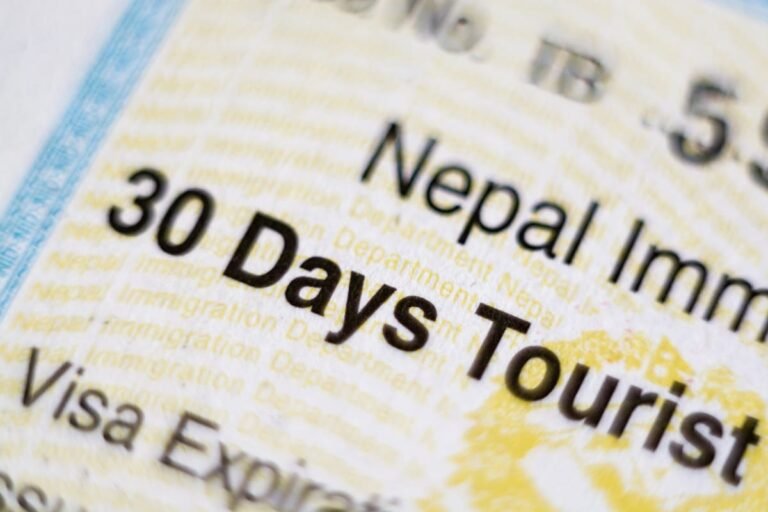
After several days of unrest in Kathmandu and the reopening of Tribhuvan International Airport on September 10, Nepalese authorities announced the implementation of a free visa regularization program for tourists whose visas expired after September 8, 2025.

As Nepal faces a period of unrest marked by protests, curfews, and the temporary closure of Kathmandu’s international airport, several foreign governments are advising travelers to exercise increased caution.

While the border situation remains relatively stable, temporary restrictions are still in effect for travelers holding an e-Visa who wish to enter Cambodia from Thailand.

Starting September 15, 2025, Beijing will grant Russian citizens a visa exemption allowing them to stay in China for up to 30 days.

Since September 1, 2025, foreign travelers visiting Laos must complete an online arrival and departure card before crossing the border. The system is currently in place at four international checkpoints.

The “All Indonesia” arrival card will be officially rolled out on September 1 in Jakarta, Bali, and Surabaya, before becoming mandatory at all international airports across Indonesia starting October 1, 2025.
